05
05
05
Thriving African Families
Thriving African Families
Thriving African Families is a community-rooted organization dedicated to helping African heritage families feel connected, supported, and empowered.
Based in Greater Sudbury, we create culturally responsive programs, resources, and spaces that strengthen families, celebrate heritage, support mental well-being, and help individuals confidently navigate life in their communities. At the heart of everything we do is a simple vision: connected families, resilient communities, and a place where everyone feels they belong.
Thriving African Families is a community-rooted organization dedicated to helping African heritage families feel connected, supported, and empowered.
Based in Greater Sudbury, we create culturally responsive programs, resources, and spaces that strengthen families, celebrate heritage, support mental well-being, and help individuals confidently navigate life in their communities. At the heart of everything we do is a simple vision: connected families, resilient communities, and a place where everyone feels they belong.
role →
role →
Logo & branding Design
Logo & branding Design
year →
year →
2025
2025


About TAF
Thriving African Families is a Black-led, community-rooted nonprofit based in Greater Sudbury, dedicated to empowering families of African heritage. Through culturally responsive programs, education, and advocacy, the organization supports integration, mental health, and socio-economic advancement. Its vision is to foster connected families and resilient communities, creating spaces where every individual feels valued, supported, and empowered to thrive.
Thriving African Families is a Black-led, community-rooted nonprofit based in Greater Sudbury, dedicated to empowering families of African heritage. Through culturally responsive programs, education, and advocacy, the organization supports integration, mental health, and socio-economic advancement. Its vision is to foster connected families and resilient communities, creating spaces where every individual feels valued, supported, and empowered to thrive.
TAF is not just a service provider—it’s a cultural home for African heritage families to grow, connect, and thrive. It’s a place where community members often say, “It feels like home,” and where parents proudly share, “I see my kids taking pride in their roots now.” For many, TAF has become the welcoming support they longed for, with reflections like, “Finally, someone understands us,” and “I wish I had this when I first moved here.”
TAF is not just a service provider—it’s a cultural home for African heritage families to grow, connect, and thrive. It’s a place where community members often say, “It feels like home,” and where parents proudly share, “I see my kids taking pride in their roots now.” For many, TAF has become the welcoming support they longed for, with reflections like, “Finally, someone understands us,” and “I wish I had this when I first moved here.”


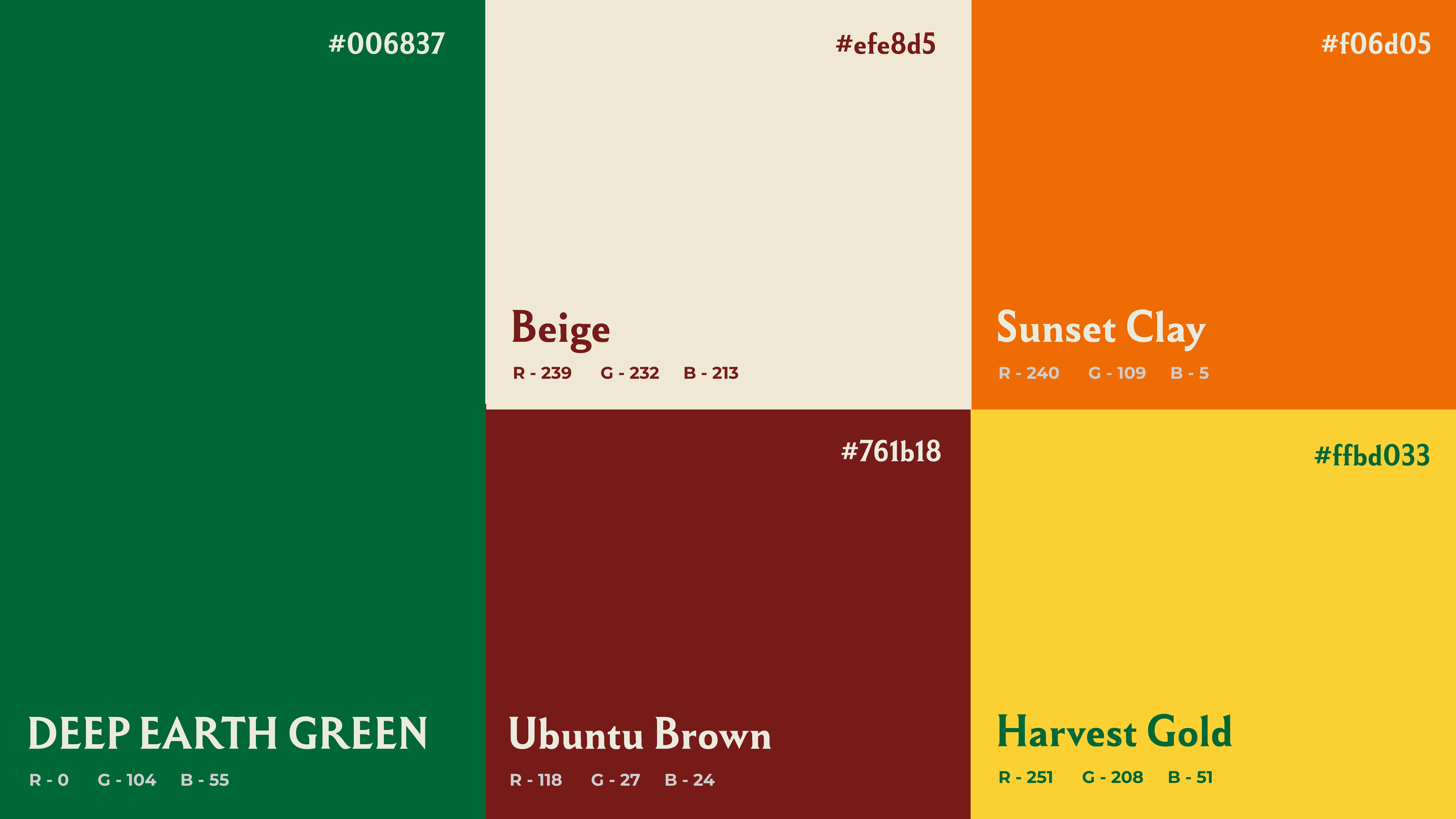


Elements design
TAF is the only community-rooted organization in Sudbury that provides holistic, culturally-affirming programs for African heritage families—nurturing strong homes, confident children, and vibrant community connections.
The Thriving African Families logo reflects the organization’s identity through a clean, modern design that emphasizes clarity, stability, and cultural pride. The use of bold, capitalized typography conveys strength and unity, while the vertical stacking of the name suggests a solid foundation—much like the interconnected support systems within families and communities. The minimalist approach ensures accessibility and versatility, making the logo adaptable across print, digital, and community-based media.


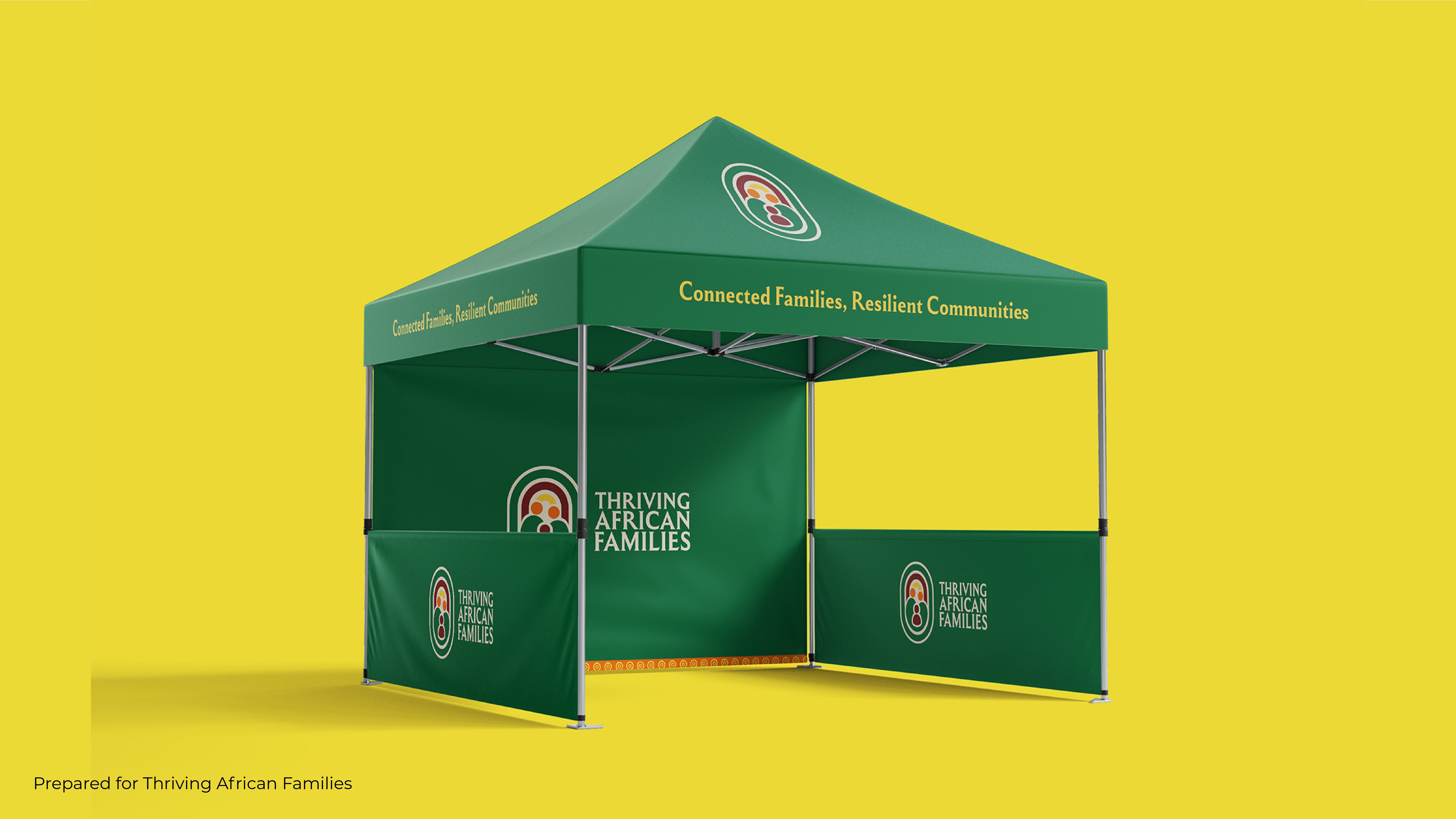

Elements
TAF is not just a service provider—it’s a cultural home for African heritage families to grow, connect, and thrive. It’s a place where community members often say, “It feels like home,” and where parents proudly share, “I see my kids taking pride in their roots now.” For many, TAF has become the welcoming support they longed for, with reflections like, “Finally, someone understands us,” and “I wish I had this when I first moved here.”

